The Problem
1
Fragmented workflows
Coaches switch between apps and spreadsheets instead of focusing on clients.
2
No unified progress tracking
Data is scattered. Workouts, meals and notes never live in one place.
3
Low client engagement
Without visibility and feedback, clients lose motivation fast.
The Solution
1
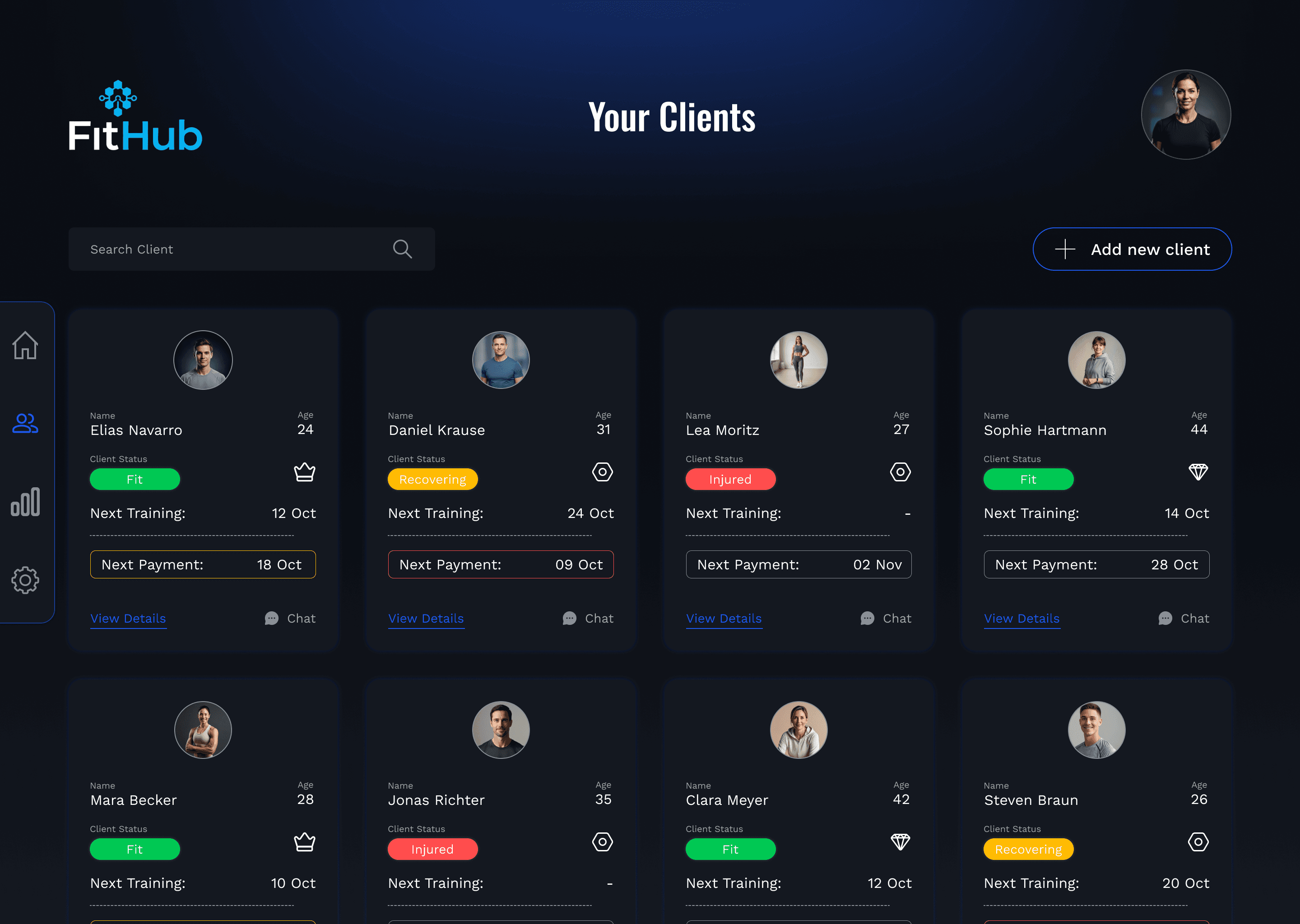
Unified Dashboard
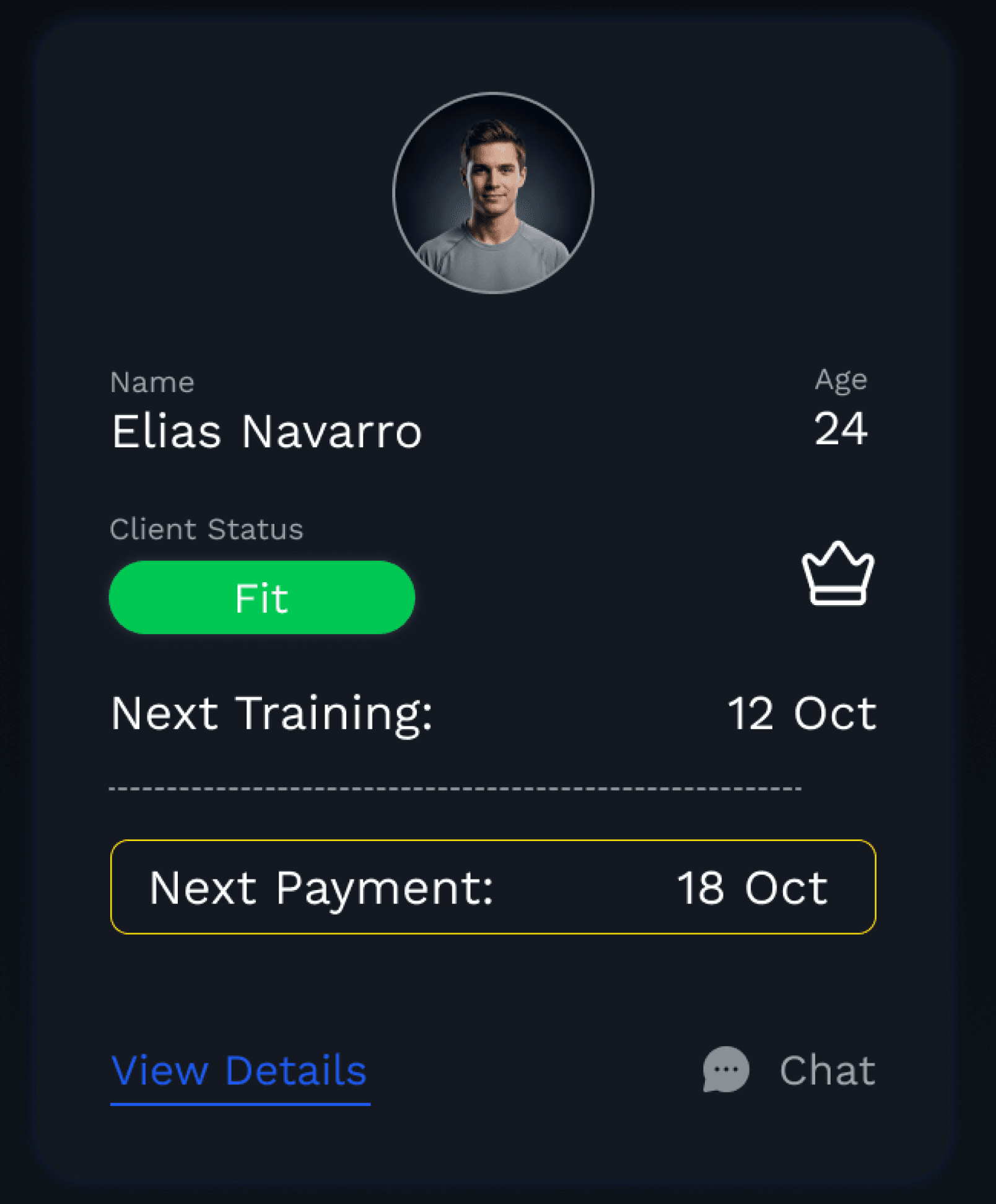
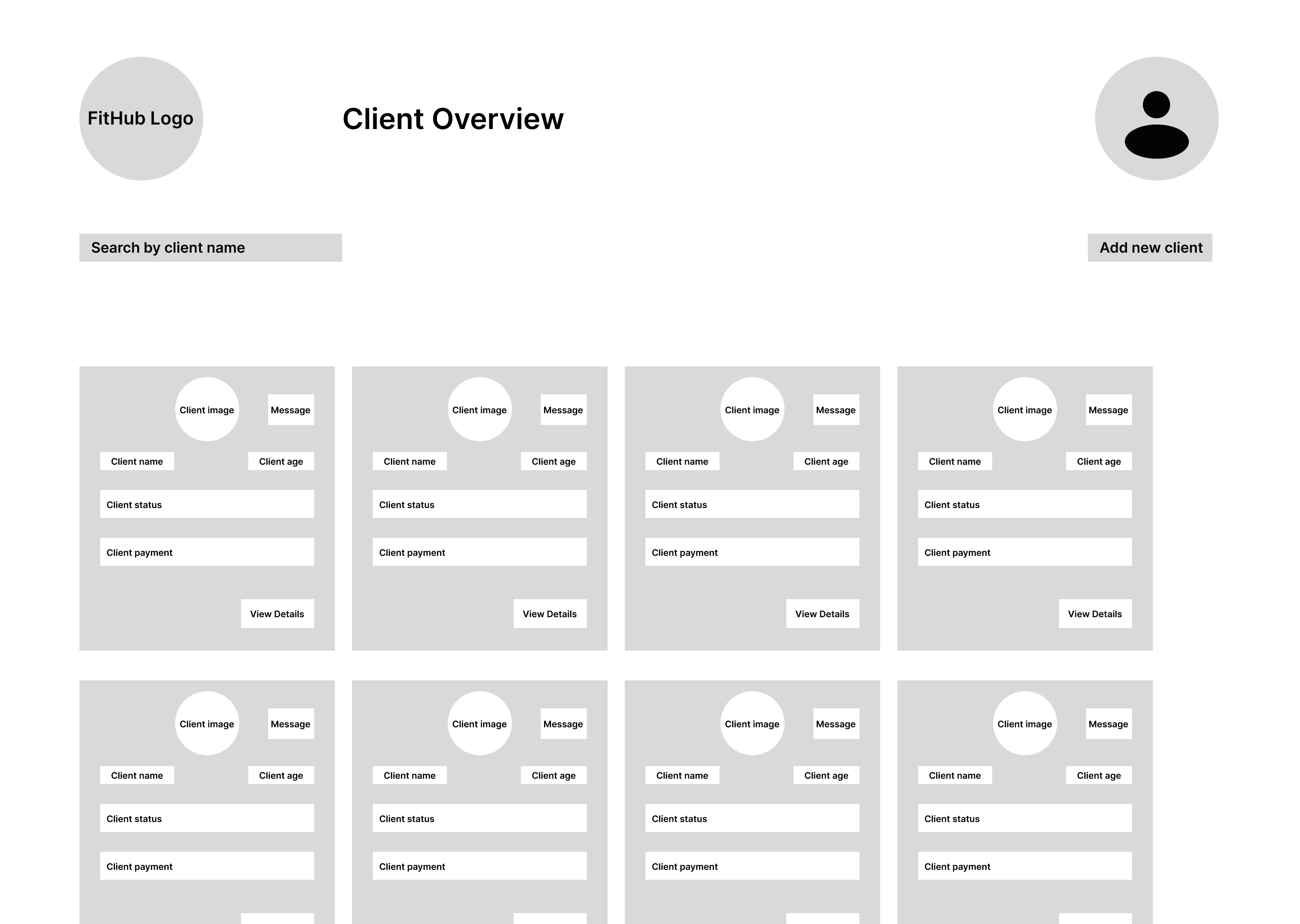
Coaches operate from a single, structured view. Sessions, payments and client status aligned for clarity.
2
Human Communication
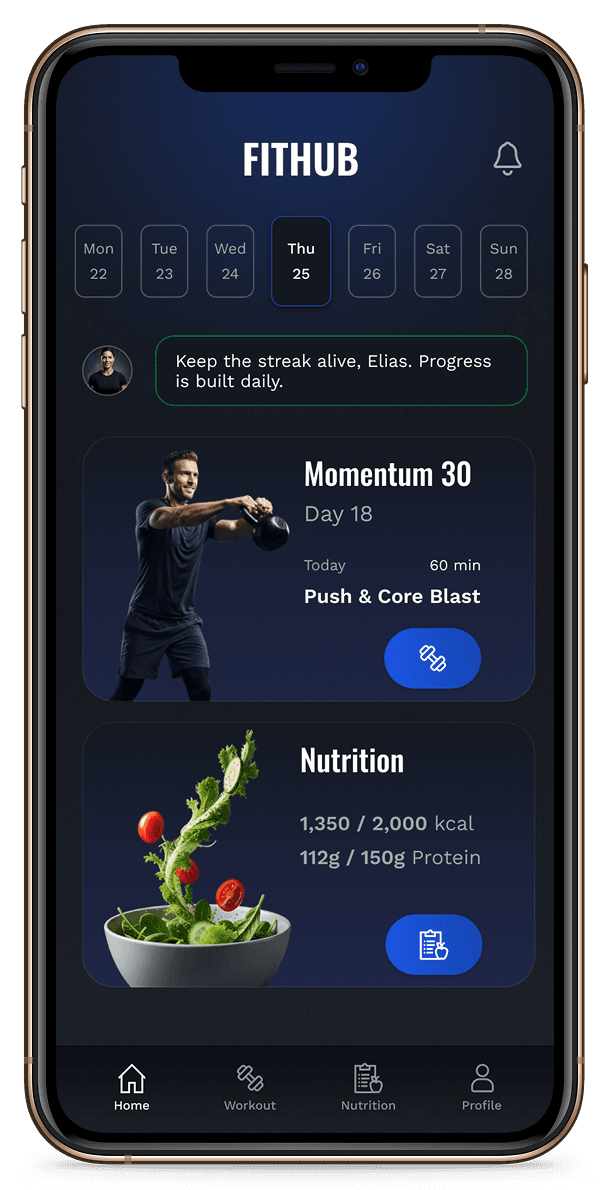
Built-in messaging replaces scattering chats and keeps motivation within context.
3
Visible Progress
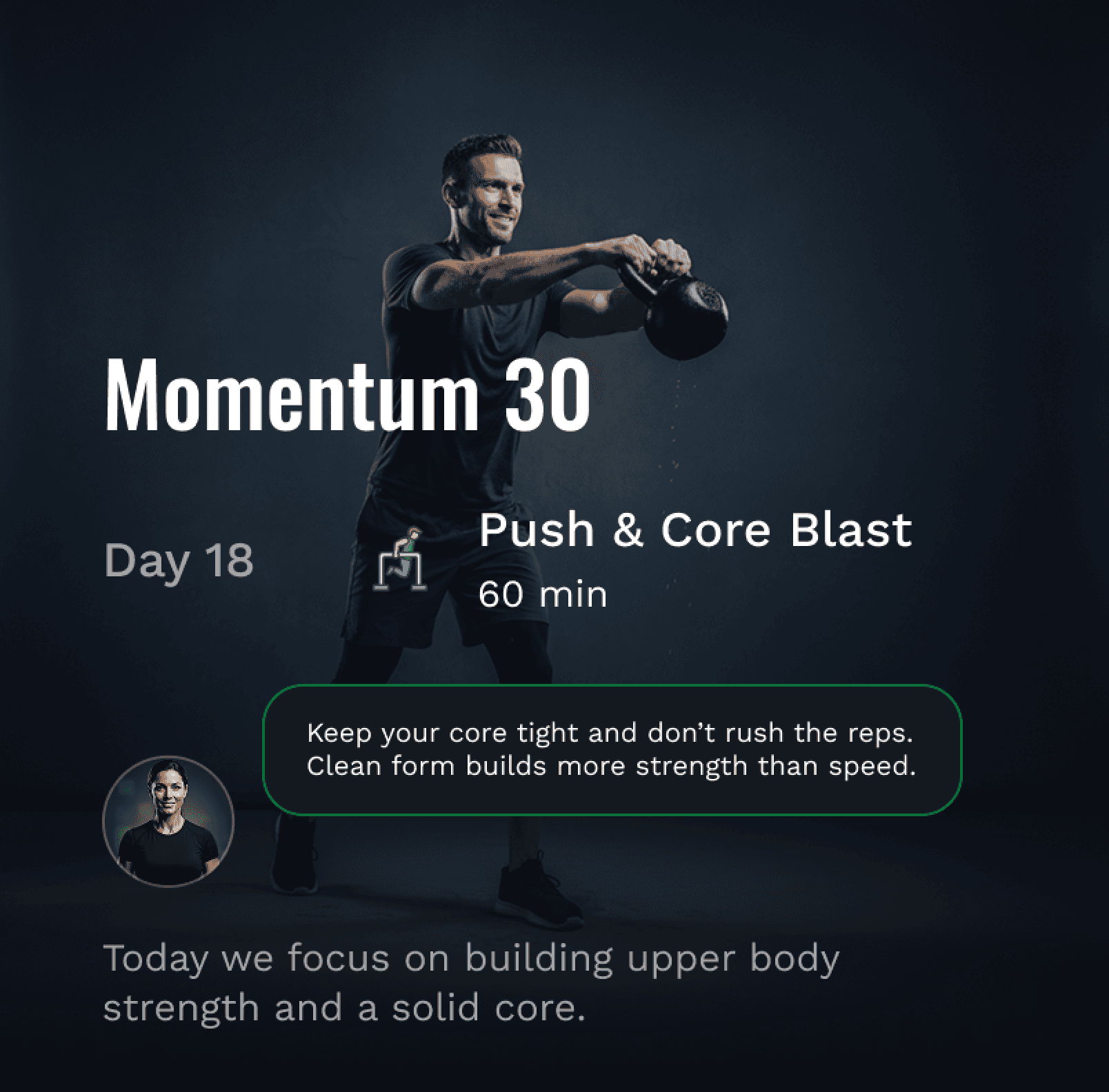
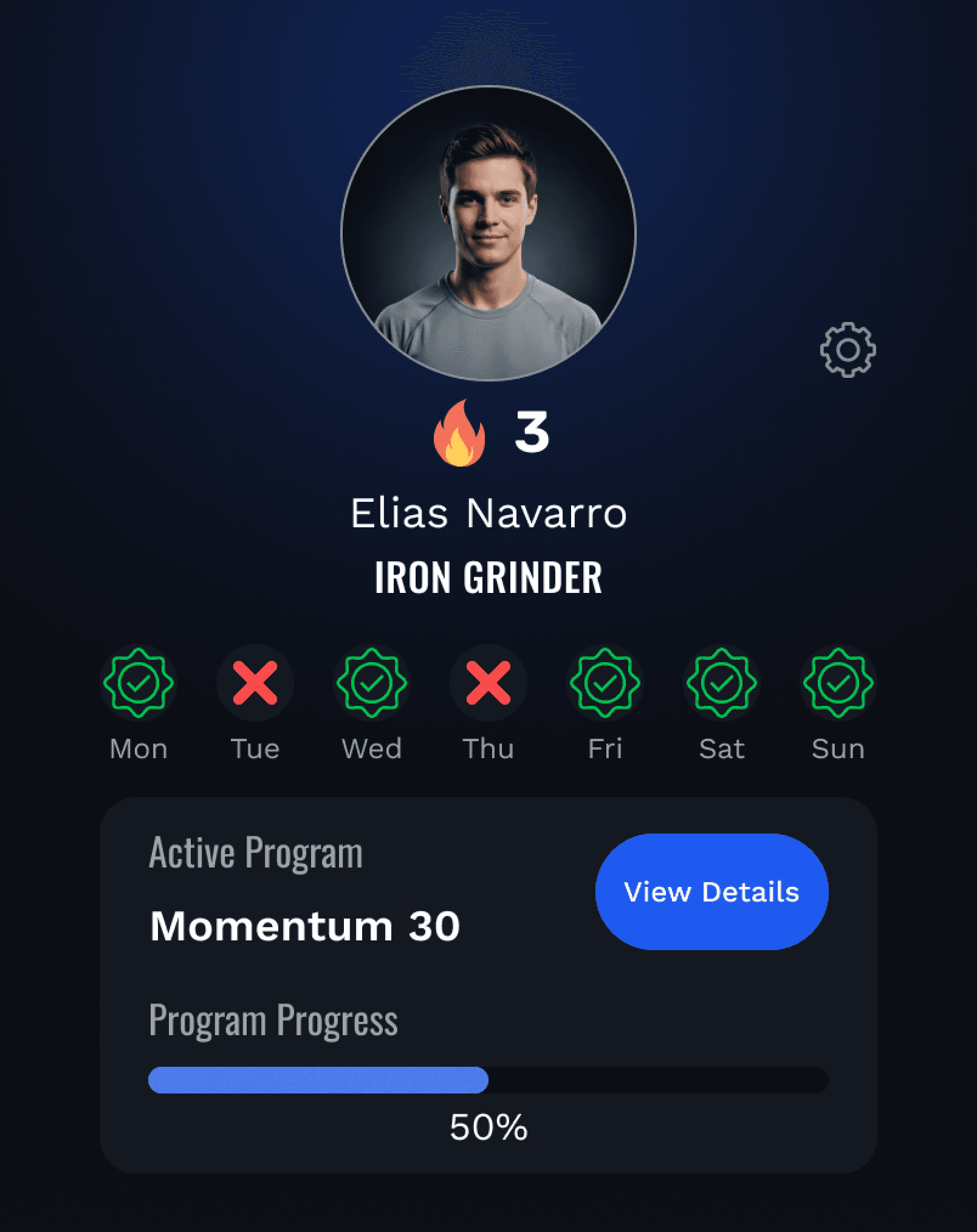
Programs, streaks and weekly goals translate effort into measurable growth.
Understanding the Coaching Ecosystem
Independent Coach
Handles up to 20 clients across multiple tools.
Needs one reliable workspace to manage sessions, payments and client progress.
Clients
Seeks visible progress, quick feedback, and accountability.
Loses motivation when updates are delayed or scattered.
FitHub System View
Connects both sides in one shared environment.
Reducing friction, surfaces insights and automating routine work.
Design Process
From fragmented workflows to a unified coaching system.
Turning research insights into structure. Every decision focused on reducing friction, strengthening, engagement and scaling effortlessly across coaching needs.
Research & Core Insights
AI-assisted analysis and coach interviews revealed three recurring pain points: tool overload, fragmented data and weak motivation loops.
The goal shifted from control to clarity, a calm system that reduces effort, not adds options.
INSIGHT
Coaches don’t need complexity.
They need one dependable system that stays out of the way.
ChatGPT was used to draft principle prompts and structure research questions.
Insights were collected from online coach communities, fitness case studies, and behavioral reports accelerating synthesis and reducing noise.
Gym
Subscribe to FitHub Packages and manages coach access.
Coach
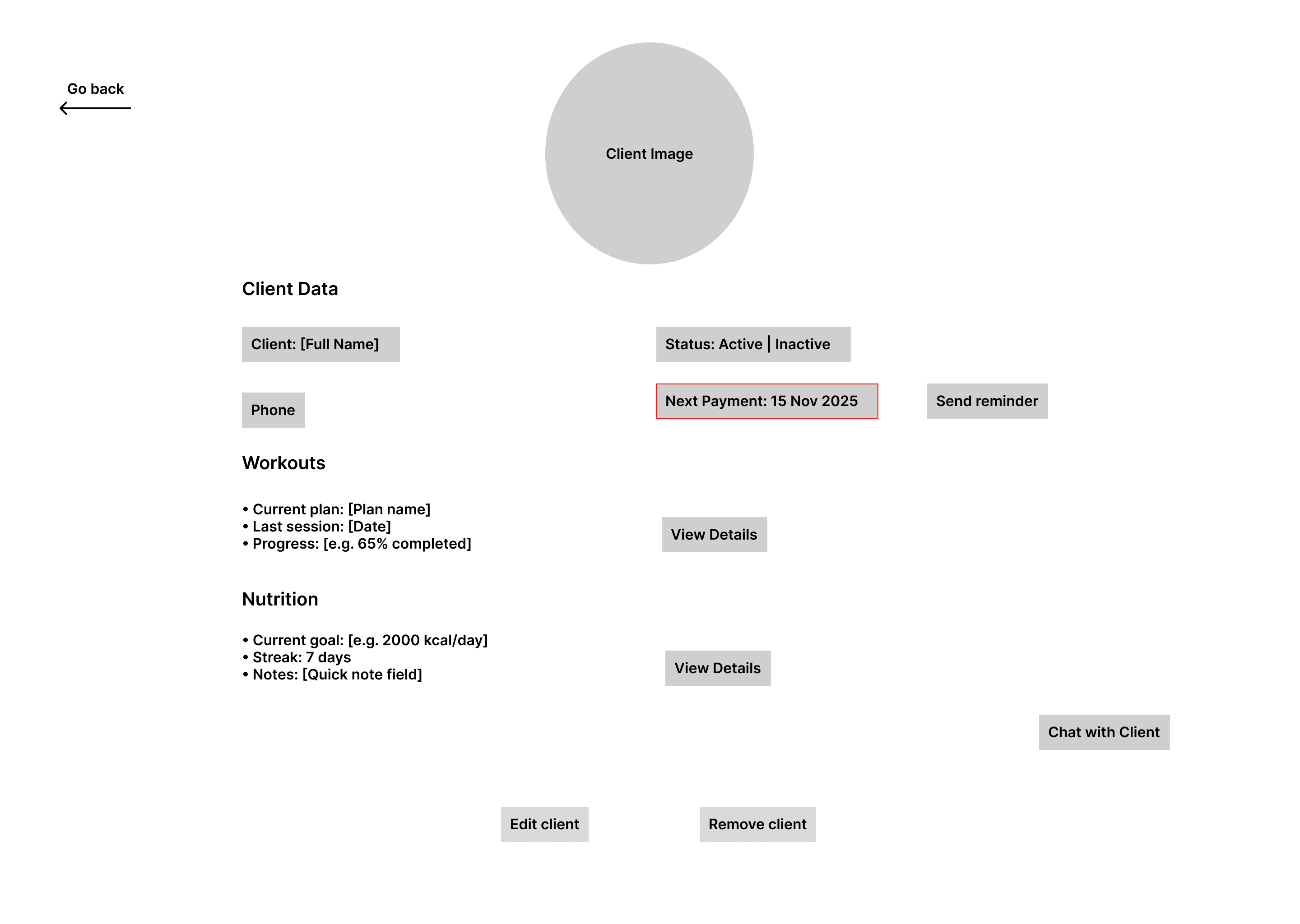
Organizes clients, tracks progress and provides personalized feedback.
Client
Follows plans, logs progress and stays connected through feedback loops.
PRINCIPLES
Each role sees only what’s relevant → minimal context-switching, maximum focus.
System in Motion
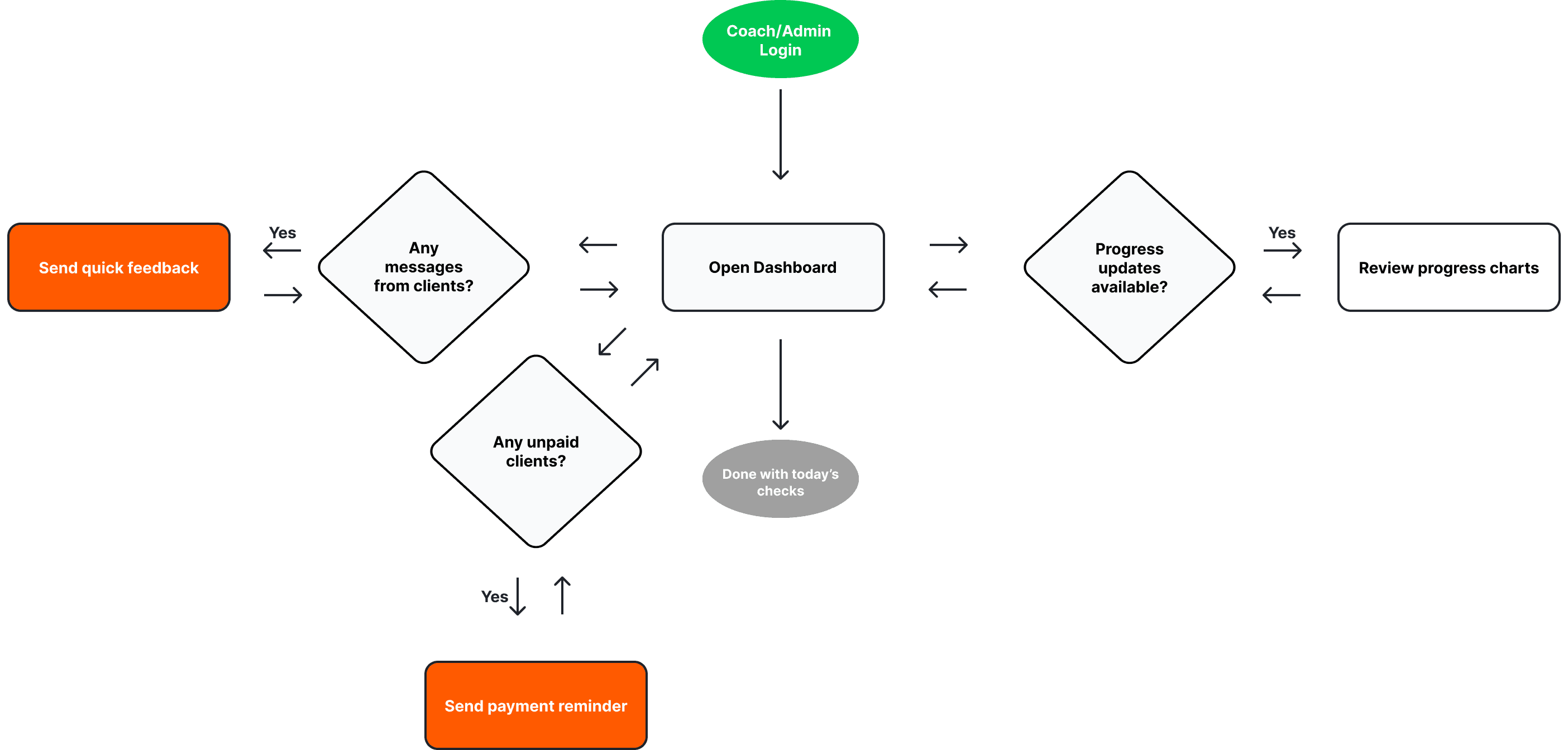
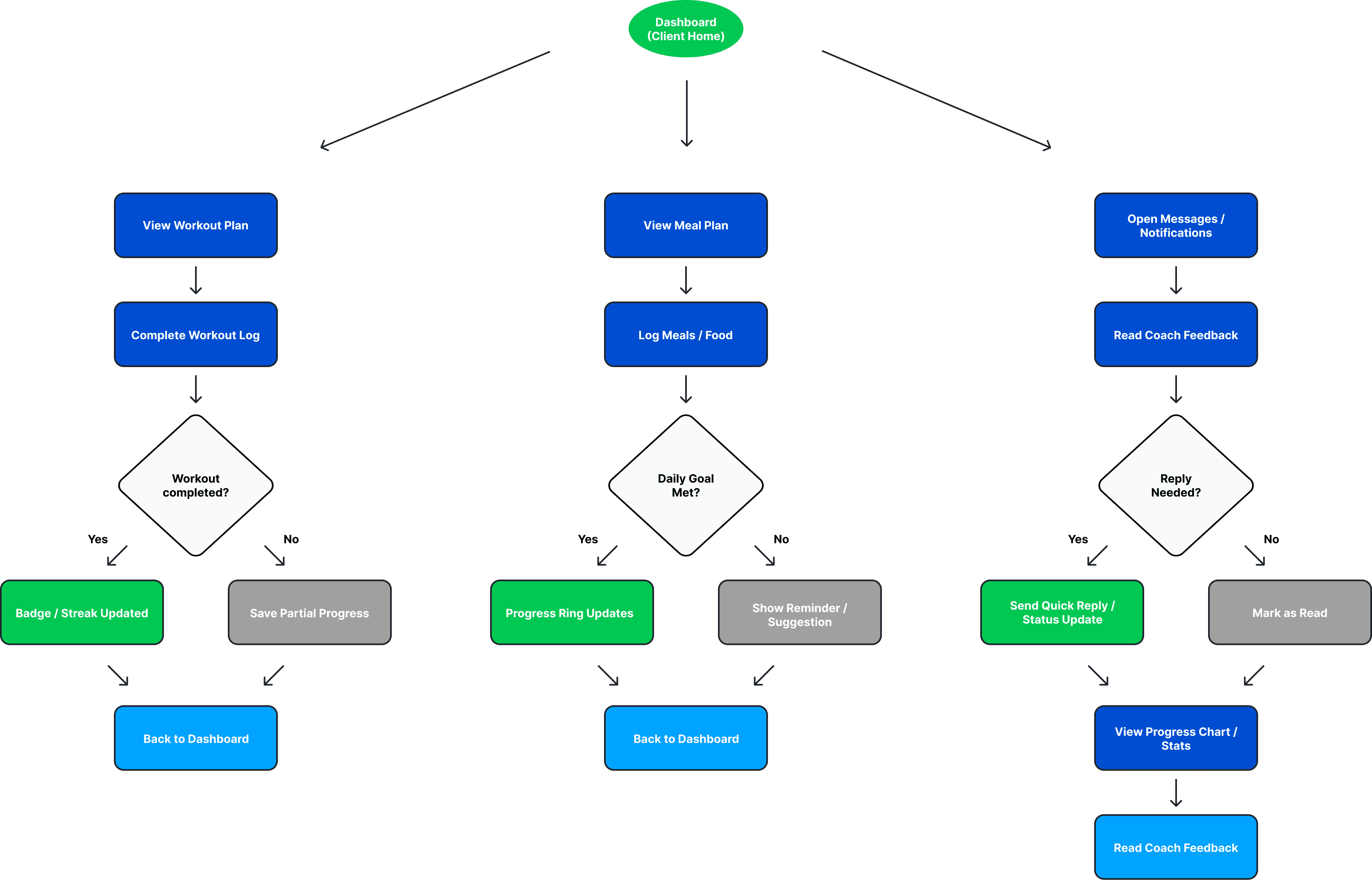
Beyond static roles, FitHub’s architecture shows how data, feedback and motivation flow through every interaction.
Coach Flow
Client Flow
Coach Wireframes
Client Overview
Client Detail
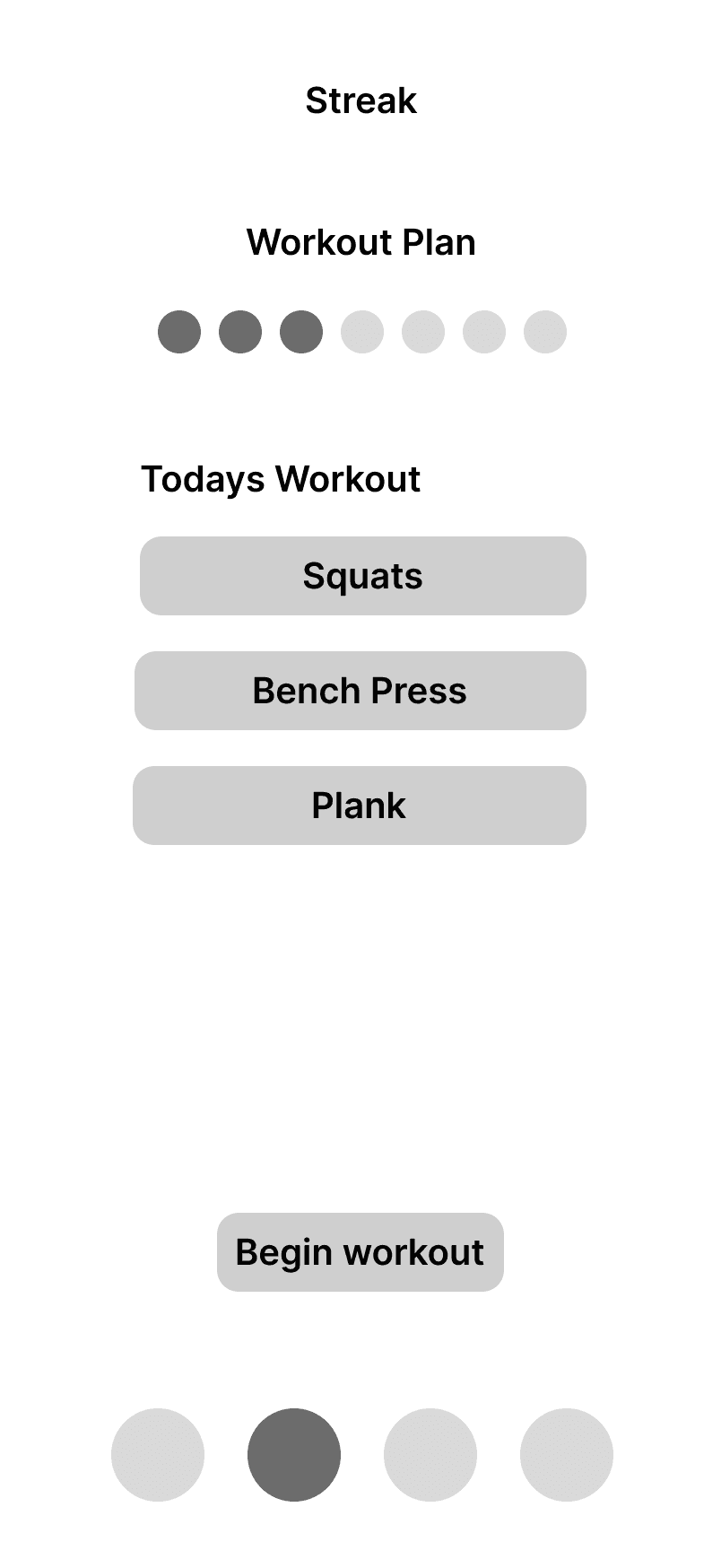
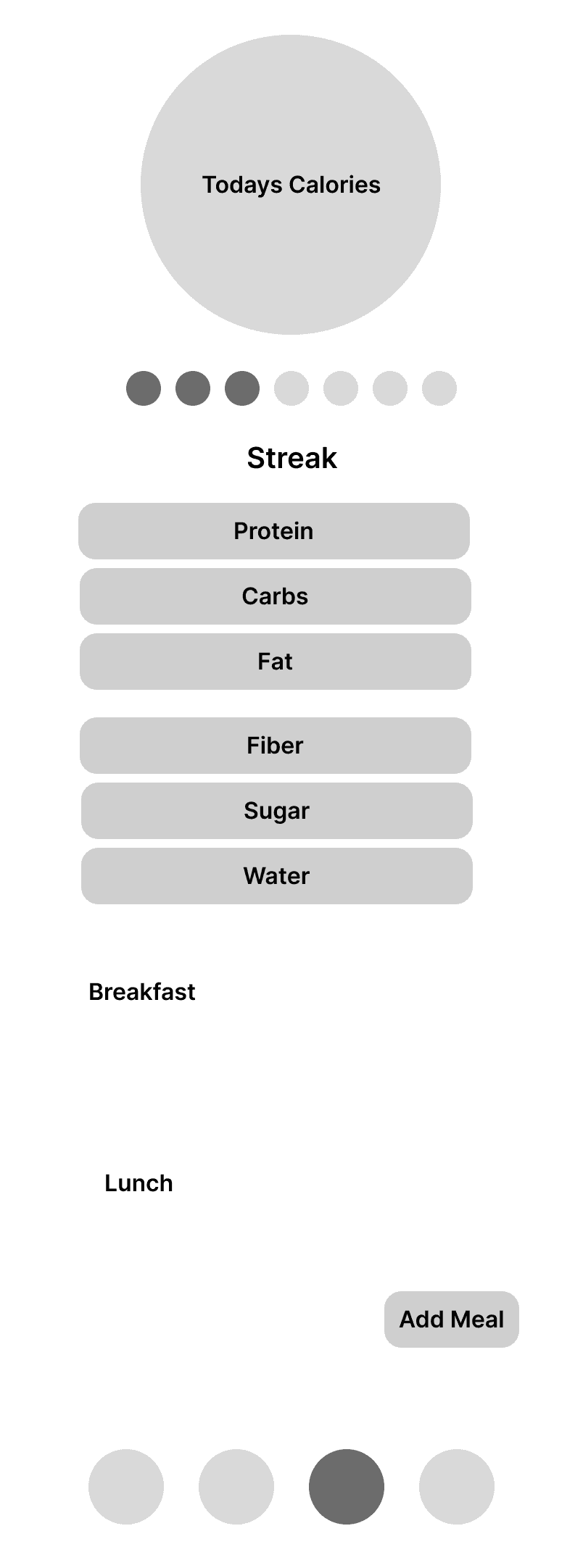
Client Wireframes
Workout Screen

Nutrition
Coach Lo-Fi
Client Overview
Client Detail
Client Lo-Fi
Workout Screen
Nutrition
PRINCIPLES
Good structure disappears in the final design but it’s the reason everything feels effortless.
Final Interface
The final design brings clarity and flow to everyday coaching.
FitHub turns complex management tasks into a calm, connected experience for both sides.
Coach Final Interface
Client Overview
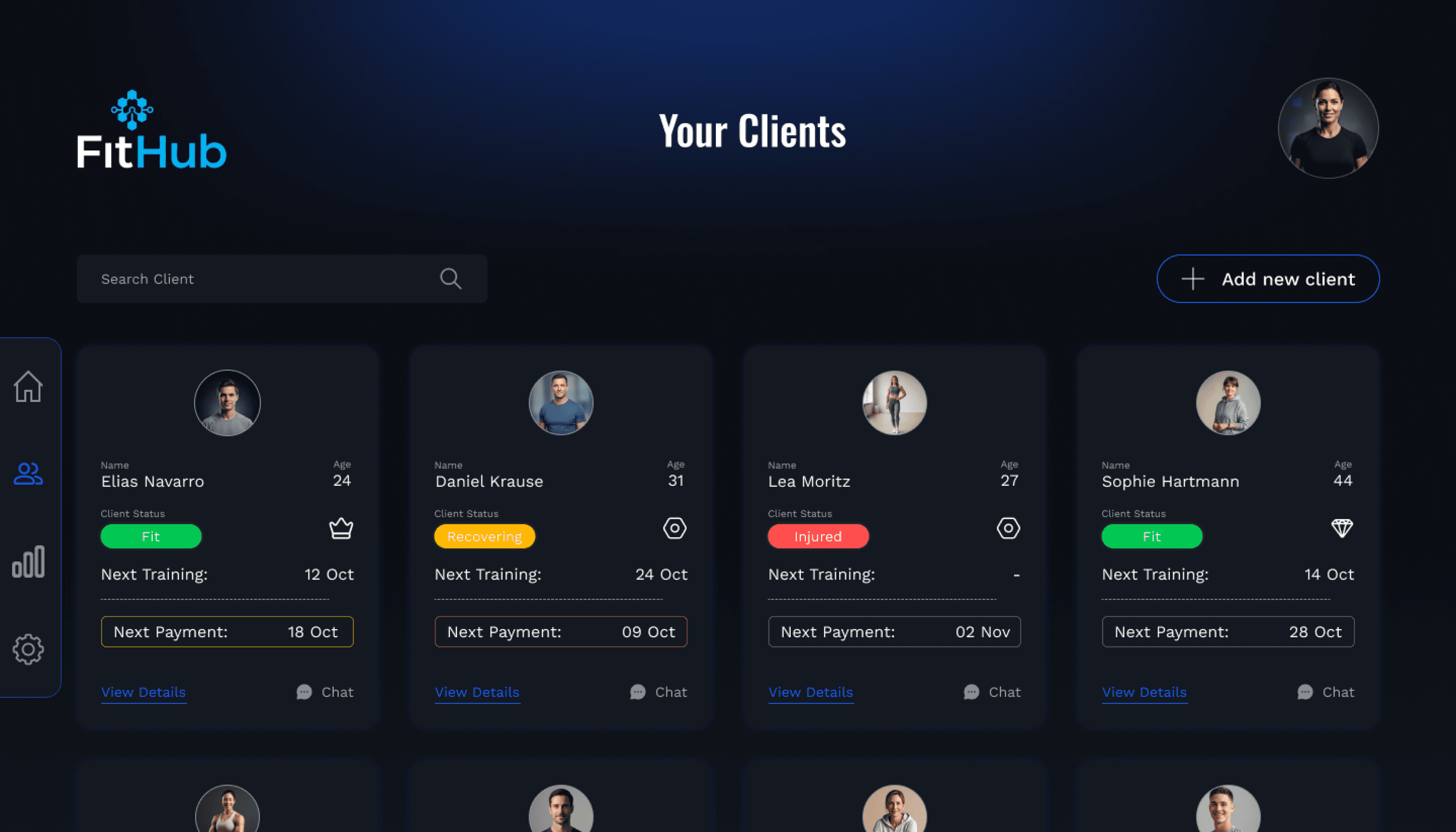

Client Detail
Client Final Interface
Workout Screen
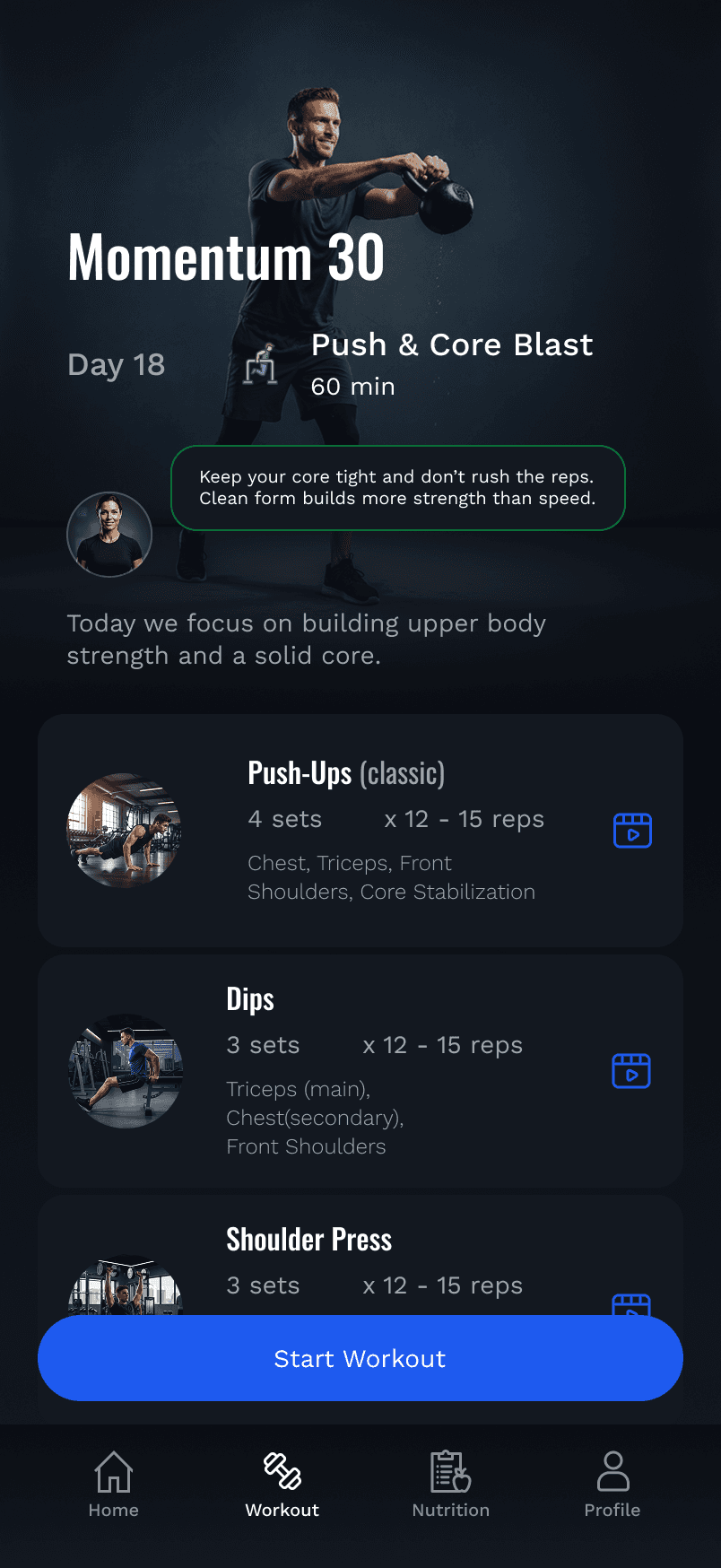

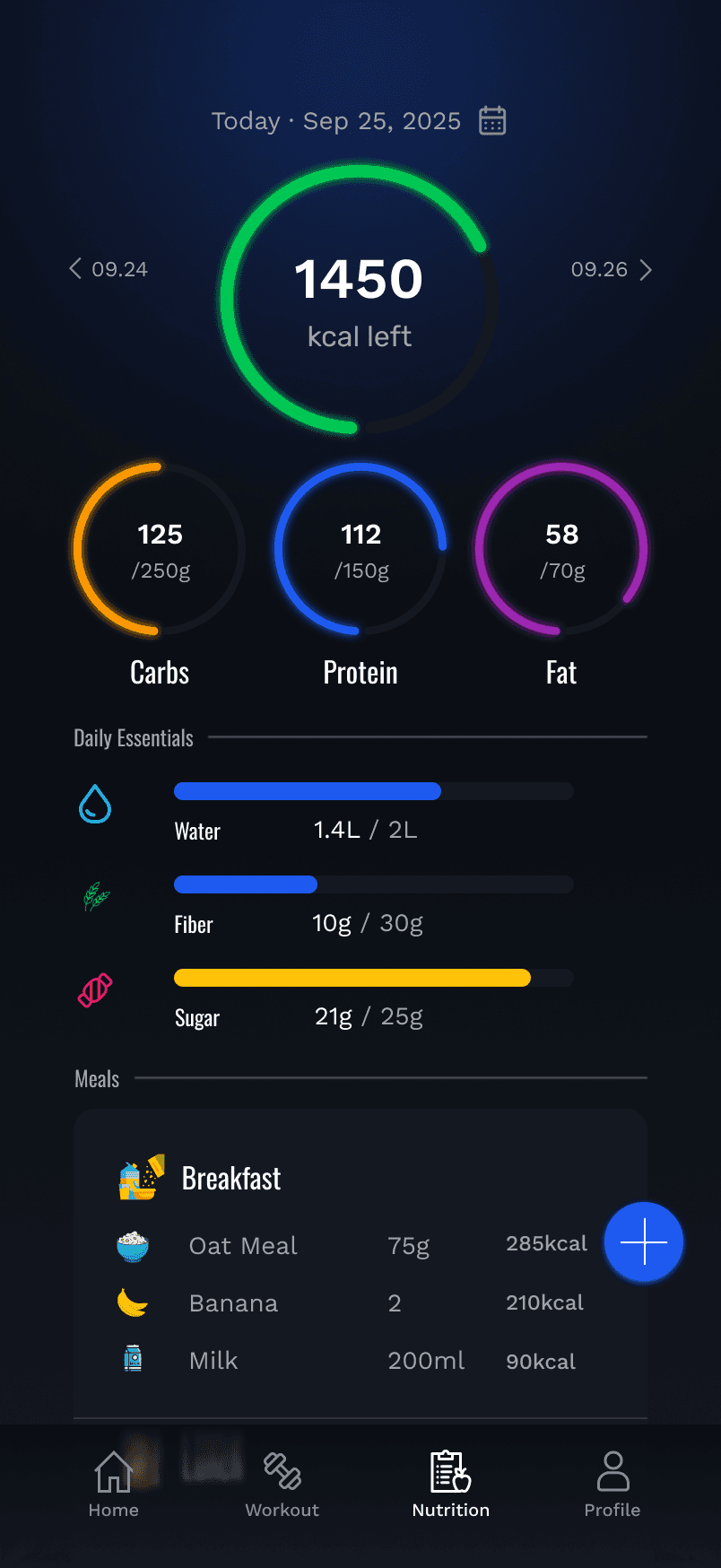
Nutrition
PRINCIPLES
Design succeeds when both sides of a system feel effortless.
When data for coaches becomes motivation for clients.
From Complexity to Clarity
Early wireframe feedback showed a pattern of visual fatigue. Especially among coaches managing multiple clients. By simplifying the layout and refining information hierarchy, interactions became easier to scan and required less cognitive effort during testing sessions.
What I learned
The biggest insight was that efficiency doesn’t come from adding tools but from reducing friction. When the interface gave each role (coach and client) a focused view, confidence increased and actions felt more intentional. This reinforced how structure and clarity are the real foundation of engagement in SaaS products.
Looking ahead
Future iterations will explore adaptive dashboards that adjust to user behavior. For example, surfacing the most-used modules based on time of day or training frequency. The next design phase will focus on real-world validation with small gyms to refine both usability and emotional tone.